Portuguese Basket Technology
Lisboa, Grande Lisboa | 2019
July 15 – August 2
Popular Art Museum, Lisbon, Portugal
ABOUT THE SUMMER SCHOOL
The Portuguese Basket Technology Summer Camp was an intensive three-week workshop held at the Museum of Popular Art in Lisbon, Portugal.
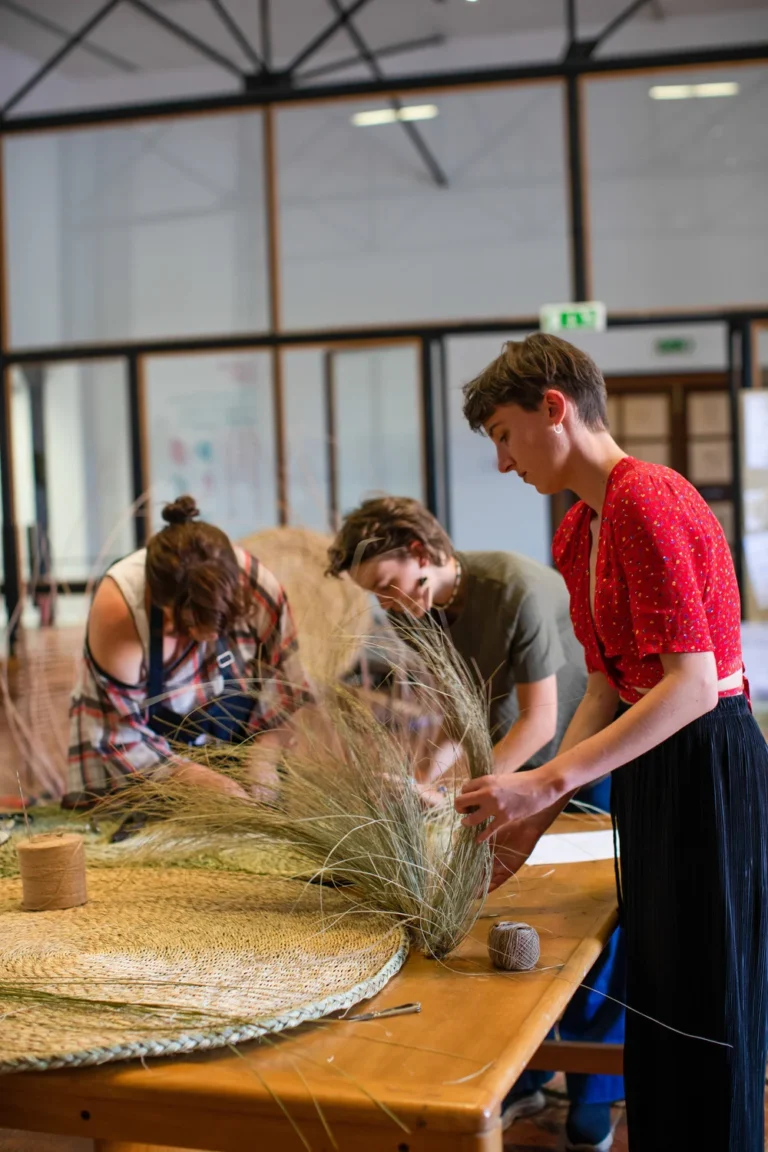
Selected through an international open call, ten students of design, architecture, and fine arts were invited to explore five traditional Portuguese basket weaving techniques, working alongside five master artisans under the guidance of design mentors. This collaborative process of knowledge exchange and experimentation led to the co-creation of a series of original pieces.
The main objective was to explore new possibilities for applying these ancestral techniques in the 21st century, pushing the boundaries of their traditional uses while addressing a central question: How can basket weaving contribute to a more sustainable future in a society increasingly shaped by collaborative work and shared living spaces?
The pieces developed during the Summer Camp were featured in the exhibition Hundreds of Baskets, curated by Astrid Suzano and Fatima Durkee, founders of Passa Ao Futuro.
CLAREIRA
Giant feather grass carpet lounging space
Craftswoman: Ana Paula Abrunhosa
Students: Mariana Campos & Emma Cogné
Clareira is made from Stipa Gigantea, a natural fiber used in the junça technique, natural from the region of Beselga, Viseu. Clareira was born to create a space of intimacy as an invitation for lounging in a shared environment. We used the braided technique called «Ponto» traditionally made by women, to build a dense rug.
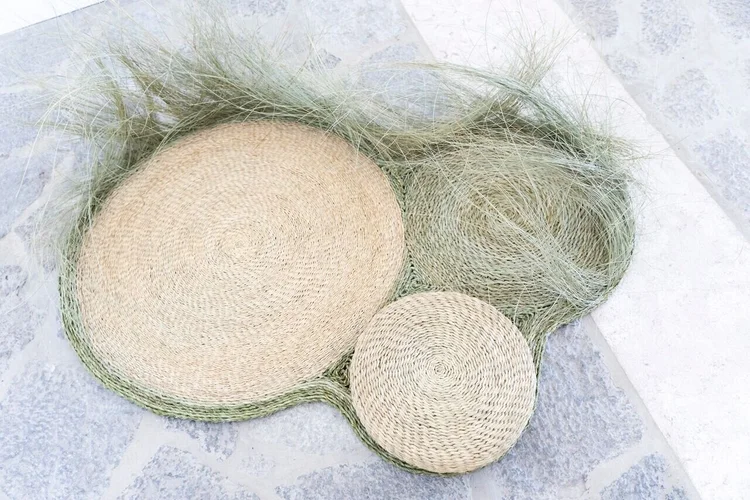
Photo Michelangelo Foundation © Jenna Duffy
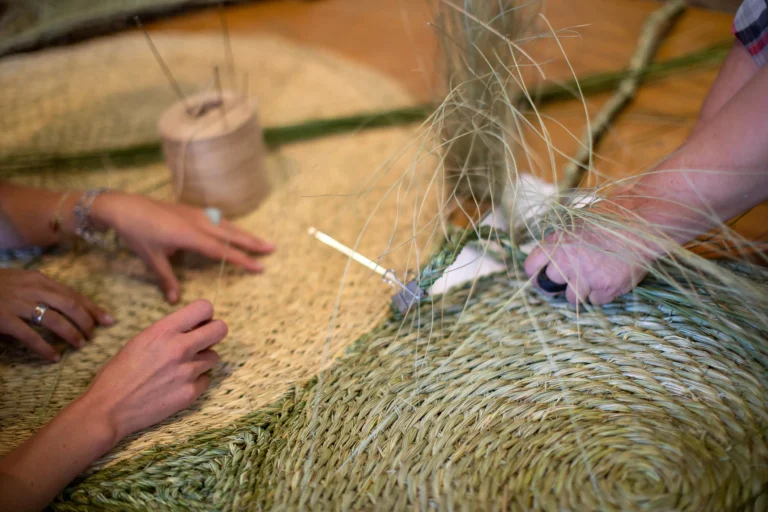
Photo Michelangelo Foundation © Jenna Duffy
The three circles merge into one sensual shape to protect and embrace the body. Around this shape the fibers emerge in their raw form, soft borders that allow for sensory experiences. As an homage to junça, Clareira is designed for one to immerse themselves into a field.
CORETO
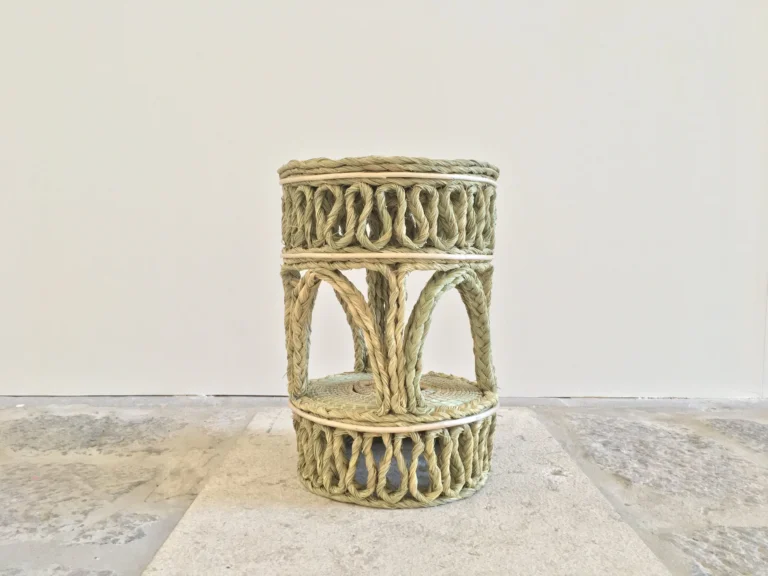
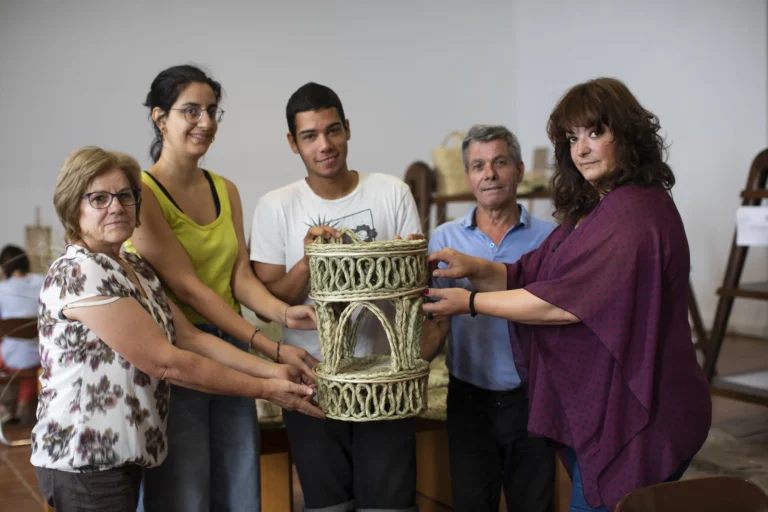
Giant feather grass coffee table
Craftspeople: Ana Paula Abrunhosa, Fernando Nelas Pereira & Isabel Martins
Students: Alexandra Pambouka & Gonçalo Gama
In the past, basketry was mostly rural areas as a mean of storage or transportation in everyday tasks. Our challenge was to bring this humble material to a new context, adding value and making relevant for the twenty first century urban living.
Coreto is a coffee table that can be easily transformed from 2D to 3D. A flat pack furniture that can be easily put together without screws. It was also designed to fit in a check-in luggage.
Nowadays, many people live as “modern nomads” frequently changing home. The aim behind Coreto was to design an object that responds to the “modern nomads” needs of mobility without compromising on sustainable living.
CRUZAMENTOS
Basket willow screen
Craftsman: Fernando Nelas Pereira
Students: Francisca Cardoso Patrocínio & Niels Nijman
Cruzamentos is a piece that grows from vime of Gonçalo, Guarda, in the plantations of Fernando Nelas Pereira. The piece is composed of movable panels that interlace with one another.
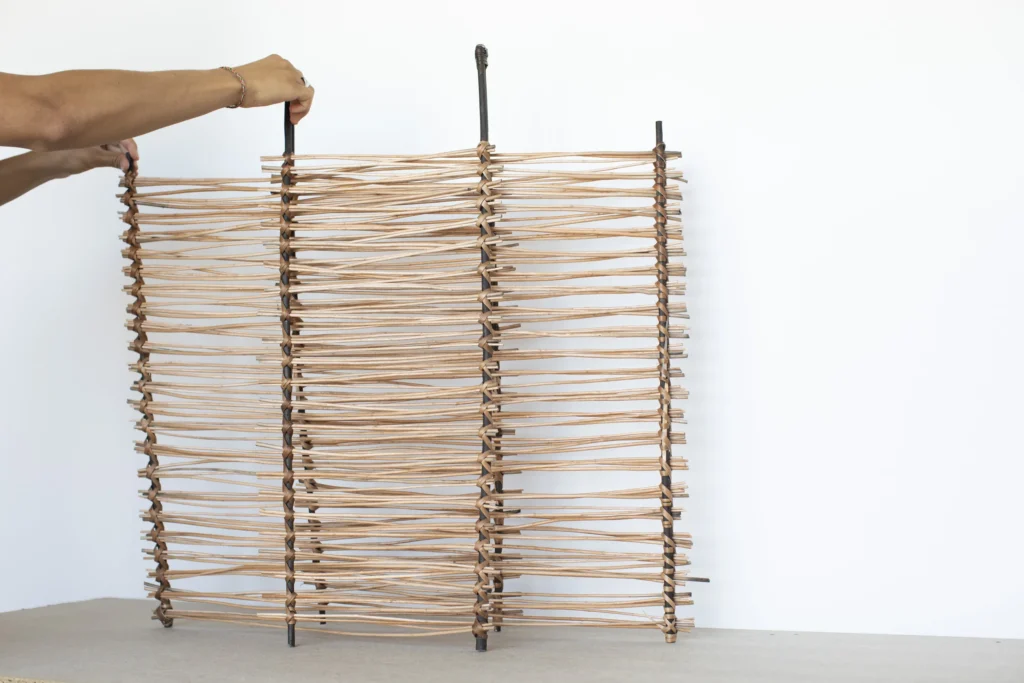
Photo Michelangelo Foundation © Jenna Duffy
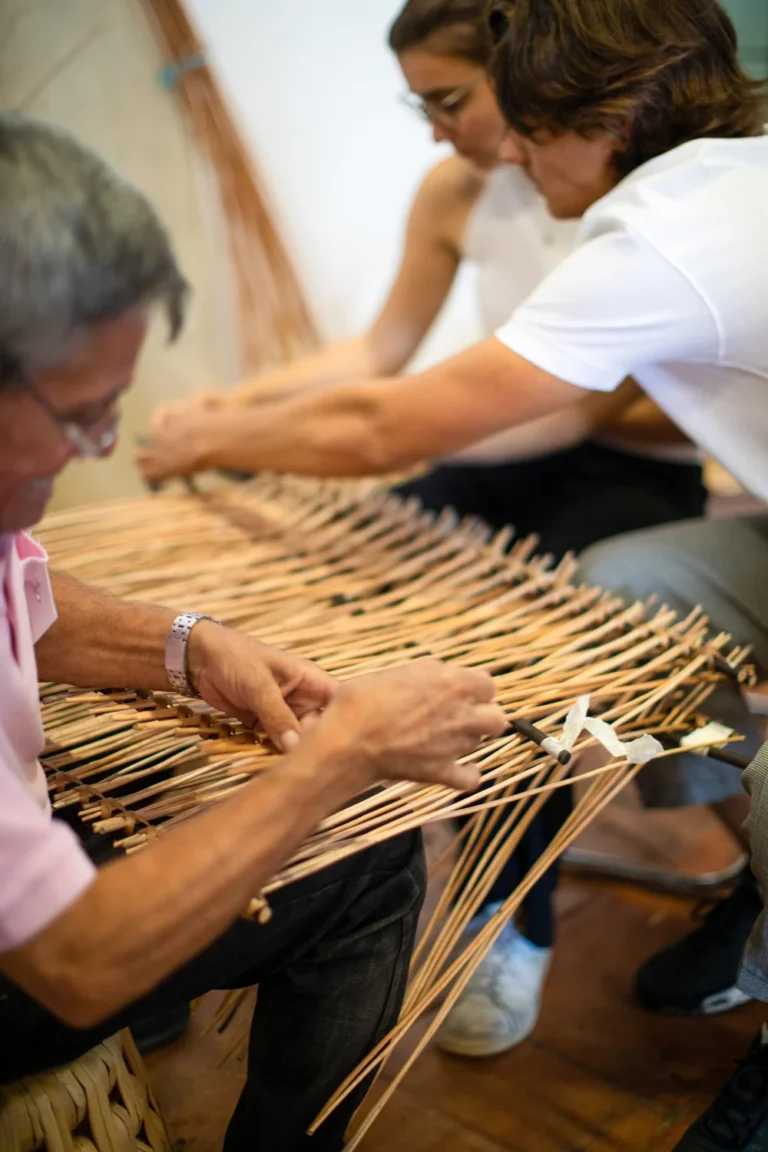
Photo Michelangelo Foundation © Jenna Duffy
The movement of the piece allows for the creation of more or less privacy. By sliding the panels open and closed, the user can create different densities of transparency. Cruzamentos is a tool to alter atmospheres and space organisation.
MEIO
Basket willow and bull rush lounging seat
Craftspeople: Manuel Ferreira & Fernando Nelas Pereira
Students: Iany Gayo & Weronika Banas
Meio is a relaxation tool that uses movement to help release tension. A marriage between two techniques and natural materials – bull rush and basket willow – bringing playfulness and comfort to our daily lives.
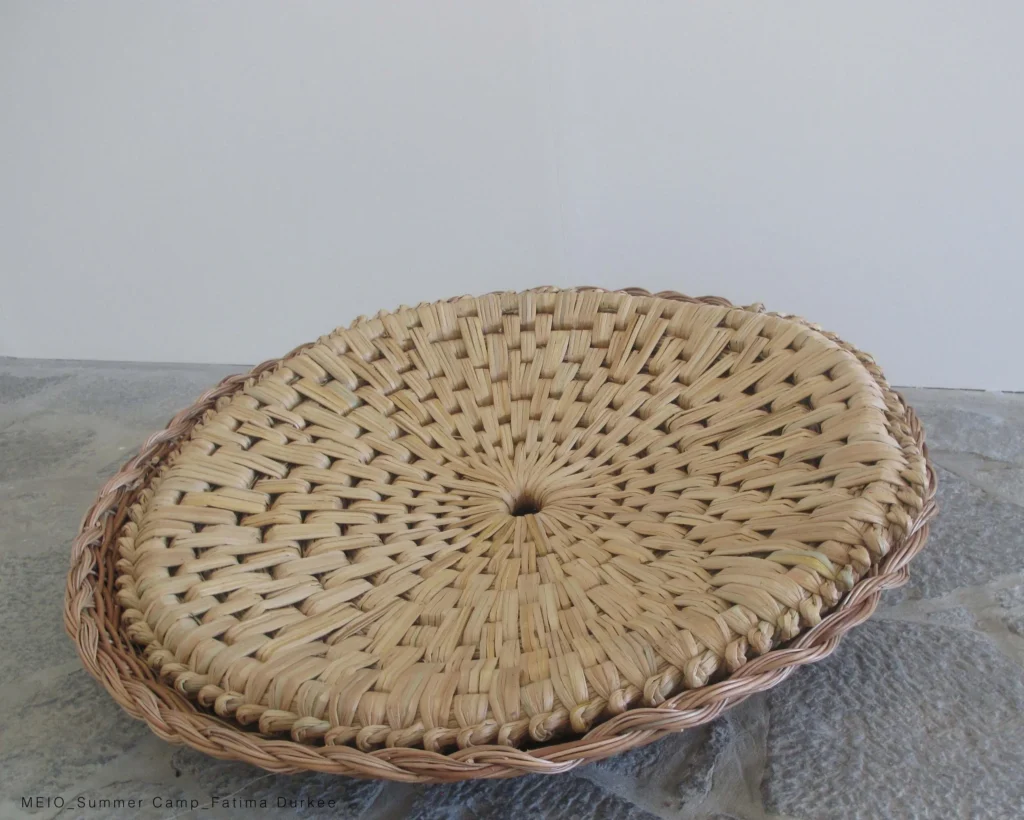
Photo Passa Ao Futuro © Fatima Durkee
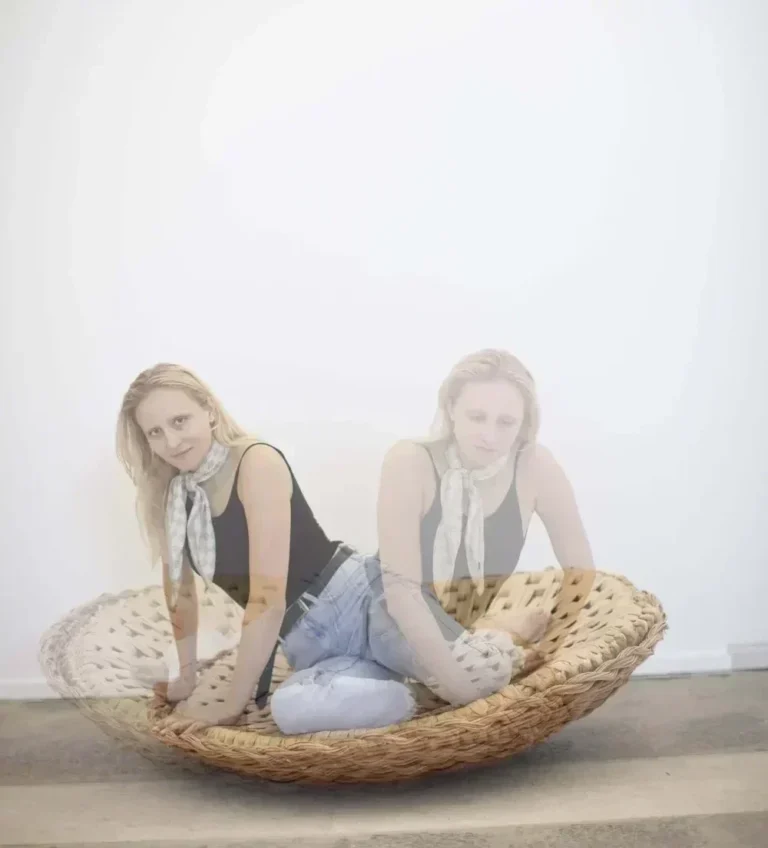
Photo Michelangelo Foundation © Jenna Duffy
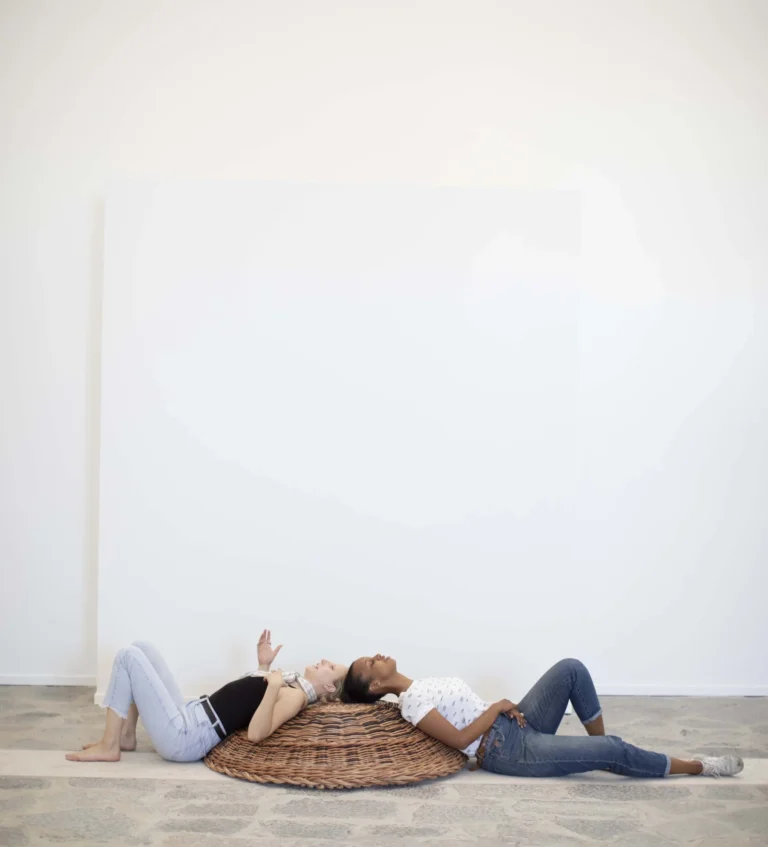
Photo Michelangelo Foundation © Jenna Duffy
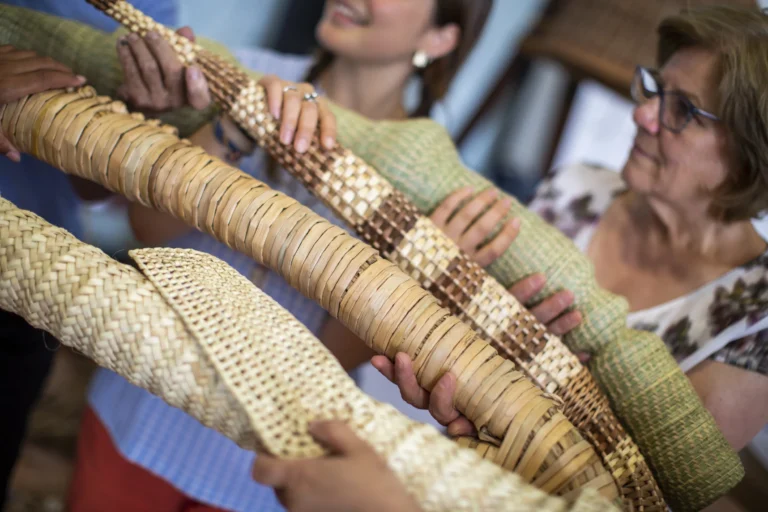
Photo Michelangelo Foundation © Jenna Duffy
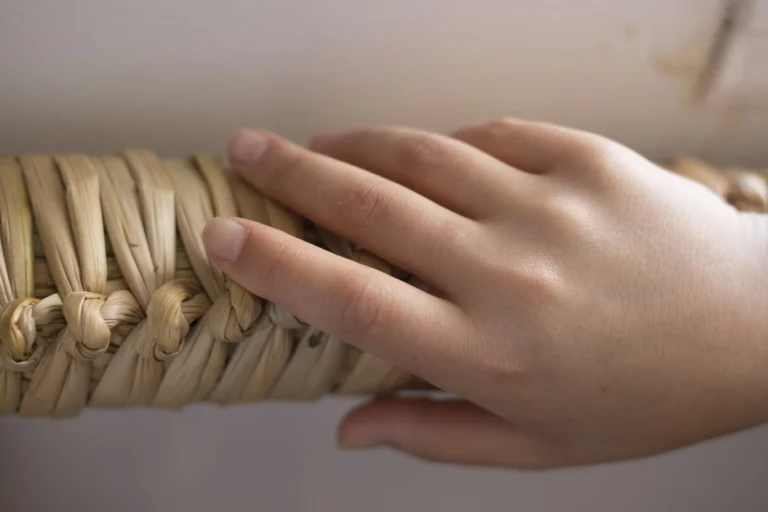
Photo Michelangelo Foundation © Jenna Duffy
TO CAMINHOS
Wayfinding, 3 pieces, each in a different material: giant feather grass, bull rush and palm
Craftspeople: Isabel Martins, Manuel Ferreira das Neves & Vanessa Flórido
Students: Francesca Miotti & Denise Santos
We have focused on the properties and the possibilities of the different traditional techniques by putting them in an unusual context and transforming the natural materials into ecological means of communication.
Using textures and shapes achievable with each approach, changing their rhythm and they way they repeat, we have created visual and tactile way-finders, which could be followed by people with sight disabilities in finding directions and locations within a shared or public space.
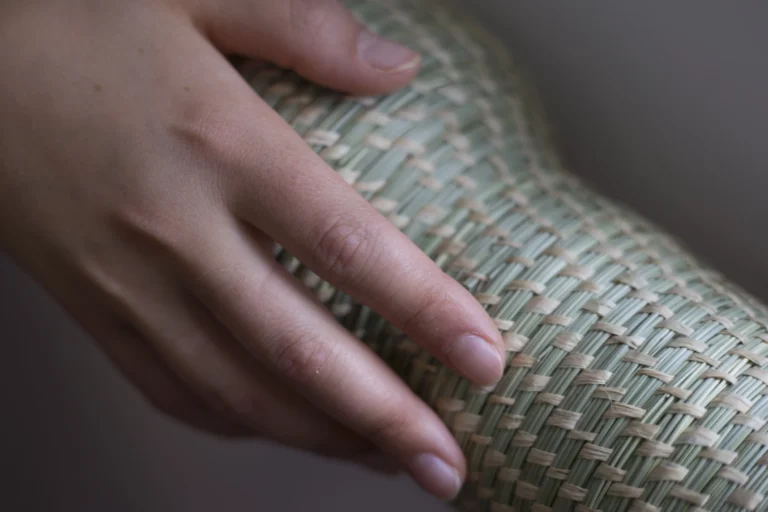
Photo Michelangelo Foundation © Jenna Duffy
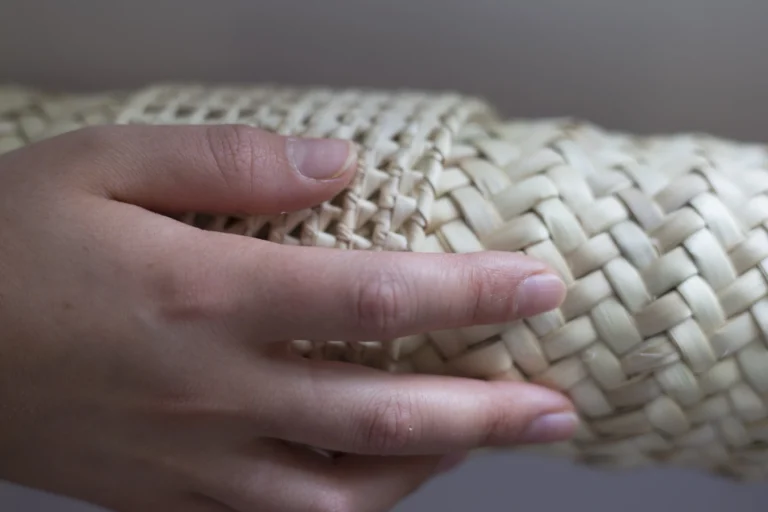
Photo Michelangelo Foundation © Jenna Duffy
OPERATORS
Museu Nacional de Etnologia / Museu de Arte Popular
Passa Ao Futuro
The Home Project Design Studio
DESIGN MENTORS
Helena Ambrósio
Fatima Durkee
Astrid Suzano
Álbio Nascimento
Kathi Stertzig
GUEST LECTURER
Adrian Krezlik
PRODUCTION
New Match
SPONSORED BY