About
Initiatives for the continuity of tacit knowledge in the hand-made sector.
We are enablers of communication between traditional techniques and contemporaneity.
Passa Ao Futuro is a research based cultural initiative, non-profit association that is:
— Documenting to preserve the intangible cultural heritage of Portuguese Artisans and Craftspeople.
— Activating this network through a series of residencies and organized collaborations.
— Supporting the sustainability of the crafts through social and environmental impact programming rooted in design and systems thinking.
Vision
To cultivate an interface for the development of ideas, techniques, and skills between the historical past and the sustainable future. We facilitate collaboration and innovation between craftspeople and designers in the production of utilitarian designs on local and global scales.
Mission
Passa Ao Futuro’s mission is to preserve, promote, activate, and celebrate the Portuguese artisan sector through a series of initiatives utilizing design thinking. We enable and support responsible design processes and business models that are socially, economically, and environmentally sustainable.
We design programming to have a practical and sustainable influence, striving to facilitate the craftspeople and their wisdom continue in a holistically positive way.
Context
The traditional techniques and skill sets of Portuguese heritage is alive, but vulnerable.
The Portuguese craft sector holds knowledge and techniques passed down through generations, with profound cultural, social, and economic value. Much of this knowledge remains in the hands of aging craftspeople, whose work continues to face limited recognition and visibility, difficulties accessing new markets, production constraints, and competition from mass-produced goods. The lack of continuity among younger generations places this living heritage at risk.
These challenges also present an opportunity to recognize the value of craftspeople, create new collaborations, and connect their work with new audiences and markets. Innovation, as a means of creating value, is essential to engaging a new generation and encouraging them to learn, reinterpret, and carry this know-how forward. The growing interest in responsibly made objects, their origins, and the stories of those who create them can help preserve this legacy and build a more sustainable future for craft.
Our Systemic Solution
Passa Ao Futuro’s initiatives are based on developing systemic solutions through:
1. RESEARCH & DEVELOPMENT
Documenting Portuguese craftspeople, techniques, materials, and processes to preserve and strengthen the craft ecosystem.2. ACTIVATION
Connecting craftspeople, designers, and architects through residencies, workshops, and collaborations.3. EDUCATION & TRAINING
Transmitting knowledge to new generations and promoting collaborative, sustainable practices.4. SOCIAL INNOVATION
Using research to develop practical responses to the challenges facing craftspeople.5. AWARENESS BUILDING
Sharing craft knowledge and culture through exhibitions, films, publications, talks, and workshops.6. SUSTAINABILITY
Embedding environmental, economic, and social sustainability across all initiatives.
Team
About the founders
Passa Ao Futuro is a multidisciplinary team, with collaborators from different fields working in partnership with a range of institutions in Portugal and abroad.
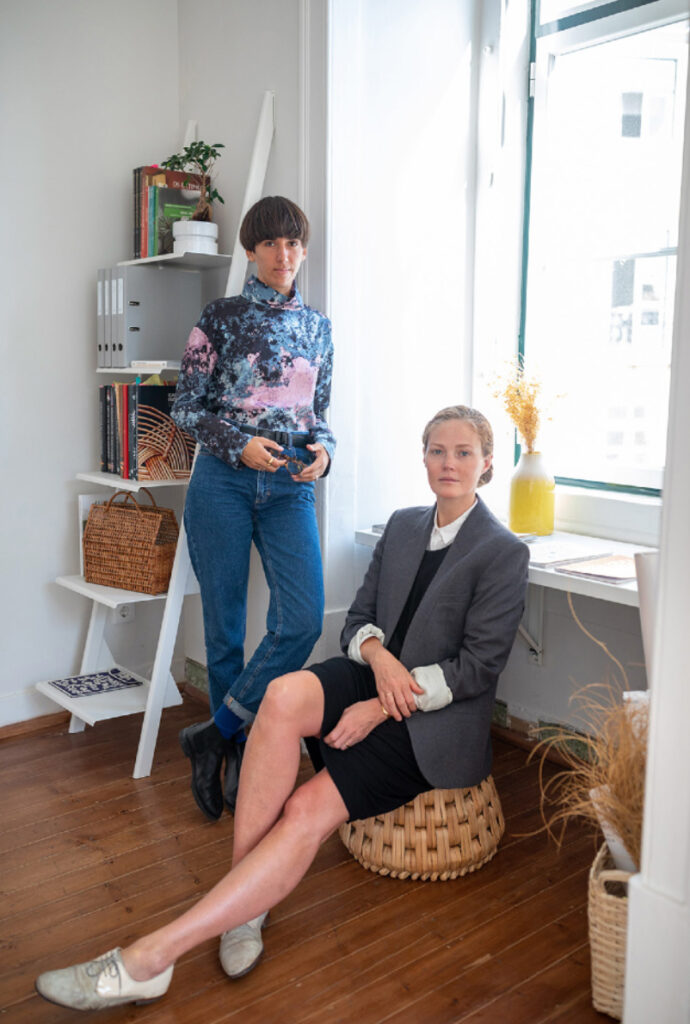
ASTRID SUZANO (1981)
Astrid Suzano is a Portuguese architect whose career has taken her across Rotterdam, Mexico City, and Lisbon, where she worked as an architect and project leader, primarily on residential and cultural projects. She also spent several years working in Portugal’s contemporary art sector as a consultant and exhibition producer for the Lygia Pape Project, between Lisbon and Rio de Janeiro, and for the Ana Vieira Project.
At Passa Ao Futuro, Astrid is responsible for the organization’s strategic and operational direction, overseeing partnerships, funding, and its long-term vision. She also curates its collaborative residencies and the resulting exhibitions, developing programs that foster meaningful dialogue between contemporary design and traditional craft.
FATIMA DURKEE (1980–2022)
Fatima Durkee was an American professional whose work focused on urban planning and business development through interdisciplinary projects spanning architecture, design, sustainability, craft, and the social sciences. At the heart of her practice was the study of complex systems and the pursuit of a more harmonious relationship between people and the Earth. Her professional journey took her across New York, Mexico City, and Lisbon.
In 2016, she founded Passa Ao Futuro with Astrid Suzano, sharing the belief that the knowledge held by craftspeople should be valued, transmitted, and brought into dialogue with the possibilities of the future. Her vision remains at the heart of the association’s mission and work.
Team
Astrid Rovisco Suzano – Co-Founder
Fatima Durkee (1980-2022) – Co-Founder
Nuno Frazão – Social Innovation
Mafalda Sarmento – Social Innovation
João Xará – Product Designer
Maria Ana Botelho Neves – Design Thinking & Strategic Design
Inês Silva Sá – Photography and Design
Jenna Duffy – Photography
Adrian Krezlik – Regenerative design & Digital Fabrication
Regina Pozo – Design Curator & Historian
Graphic Design
Audrey Schayes – Passa Ao Futuro's Visual Identity
Catarina Carreiras – PAF's Projects Identity
PR
O Apartamento
Assessoria de imprensa : Press Inquiries – vascoaguas@oapartamento.com
Our Network
The organizations presented here collaborated with Passa Ao Futuro at different points in its journey, supporting specific projects, initiatives, or activities. Their presence in this network does not imply permanent support or support across all of the Association’s activities.
Each project’s individual page clearly identifies its respective partners, sponsors, financial supporters, and logistical supporters.
Institutional Partners


Public Funding




Sponsors


Logistical Support

Press Clipping
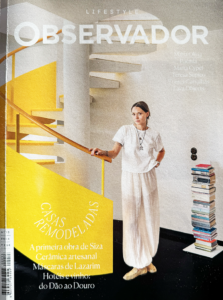
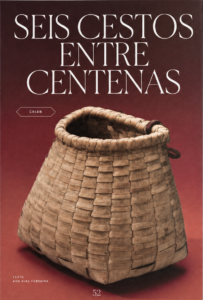
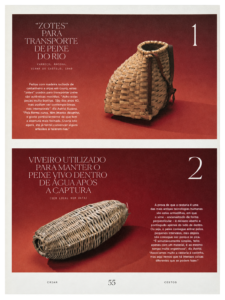
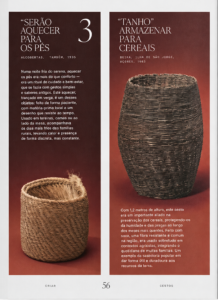
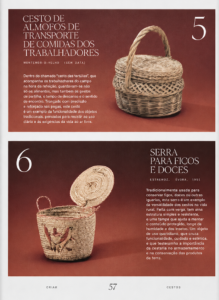
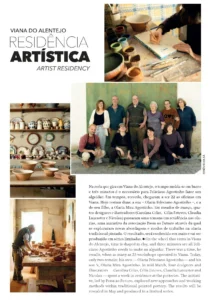
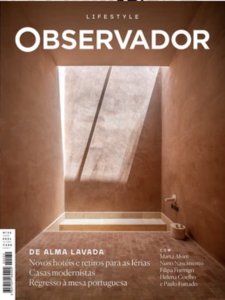
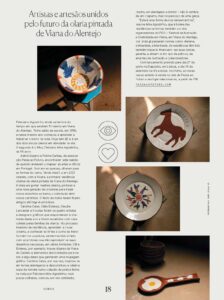
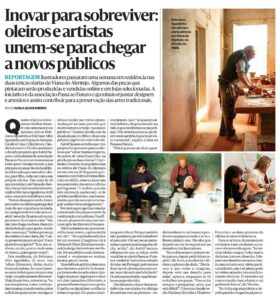
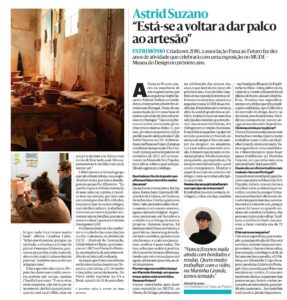
SDG
The work carried out by Passa Ao Futuro follows an environmentally, socially, and economically responsible model and incorporates the following United Nations Sustainable Development Goals (UNSDGs):
1. No poverty
By giving value to what the elder artisan are doing, teaching them about fair trade and sustainable business management, training for unemployed people, training for new artisans, market placement of designs to bring more sales and more profits.4. Quality Education
Education of a new generation of artisans. Sustainable business management for existing artisans for improved quality of life. Sustainability education for designers and artisans. Ethical production education. Life cycle of materials education. Exposure of next generation of Portuguese through the education systems to the opportunities that exist in the artisan/design market.5. Gender Equality
Give value to the handcraft to promote the empowerment of women. Helping through education to change the paradigm that certain techniques and materials are only worked by certain genders. Equal pay for the genders.6. Clean water and sanitation
By giving education and encouraging the production of Cradle to cradle certified products there is a focus on zero waste and zero water pollution.8. Decent Work and Economic Growth
Utilizing the Nest Ethical Compliance Standards as a framework for artisan businesses and sustainable artisan business education to support decent work environments for current and future artisans. Equal pay for women and men.9. Industry Innovation and Infrastructure
Pre-industrial revolution sustainable techniques/ technologies with locally sourced materials as a catalyst for new creations with low environmental impact. Artisan market innovation through design. Technological innovation through working with Fablabs and artisans to create hybrid designs10. Reduced Inequalities
Helping disadvantaged and marginalized populations by working on solutions through design and sustainability.11. Sustainable Cities and Communities
Helping to foster social, economic and environmentally sustainable communities through education, exposure and activation.12. Responsible Consumption and Production
Education for both designers and artisans to use life-friendly chemistry, assuring that the design and manufacturing process is life-friendly. Awareness of recourse and energy efficiency. Utilization of locally sourced biodegradable materials in the design of contemporary objects. Educating the consumers on the ingredients of the products they purchase. Sustainable products, life-friendly chemistry in the making of the products, minimizing pollution caused to the environment, to the ambient environment as well as to the physical body of the artisan.13. Climate Action
Through encouraging sustainable production and consumption. Production utilizing Cradle to Cradle education of artisans and designers on solutions for products to be designed to be upcycled and nontoxic, fitting into the biological and technical cycles with no waste. Consumption: promoting sustainable high quality products to the consumer making clear the traceability of the ingredients.14. Life Below Water
Life friendly chemistry in the production of products so as not to pollute the waters.15. Life on Land
By promoting the preservation of Portugal’s rural heritage and traditional ecological knowledge. Through its work documenting vernacular architecture, sustainable land use practices, and cultural landscapes, the organization raises awareness about the value of biodiversity and responsible stewardship of natural resources. By involving local communities and advocating for environmentally sensitive restoration and development, Passa Ao Futuro helps to protect terrestrial ecosystems, prevent land degradation, and ensure the conservation of cultural and natural heritage for future generations.17. Partnerships for the Goals
Being able to replicate this concept and transfer it from Portugal to other regions, contributing to the dissemination and spread of environmentally appropriate technologies, particularly to developing countries.
